

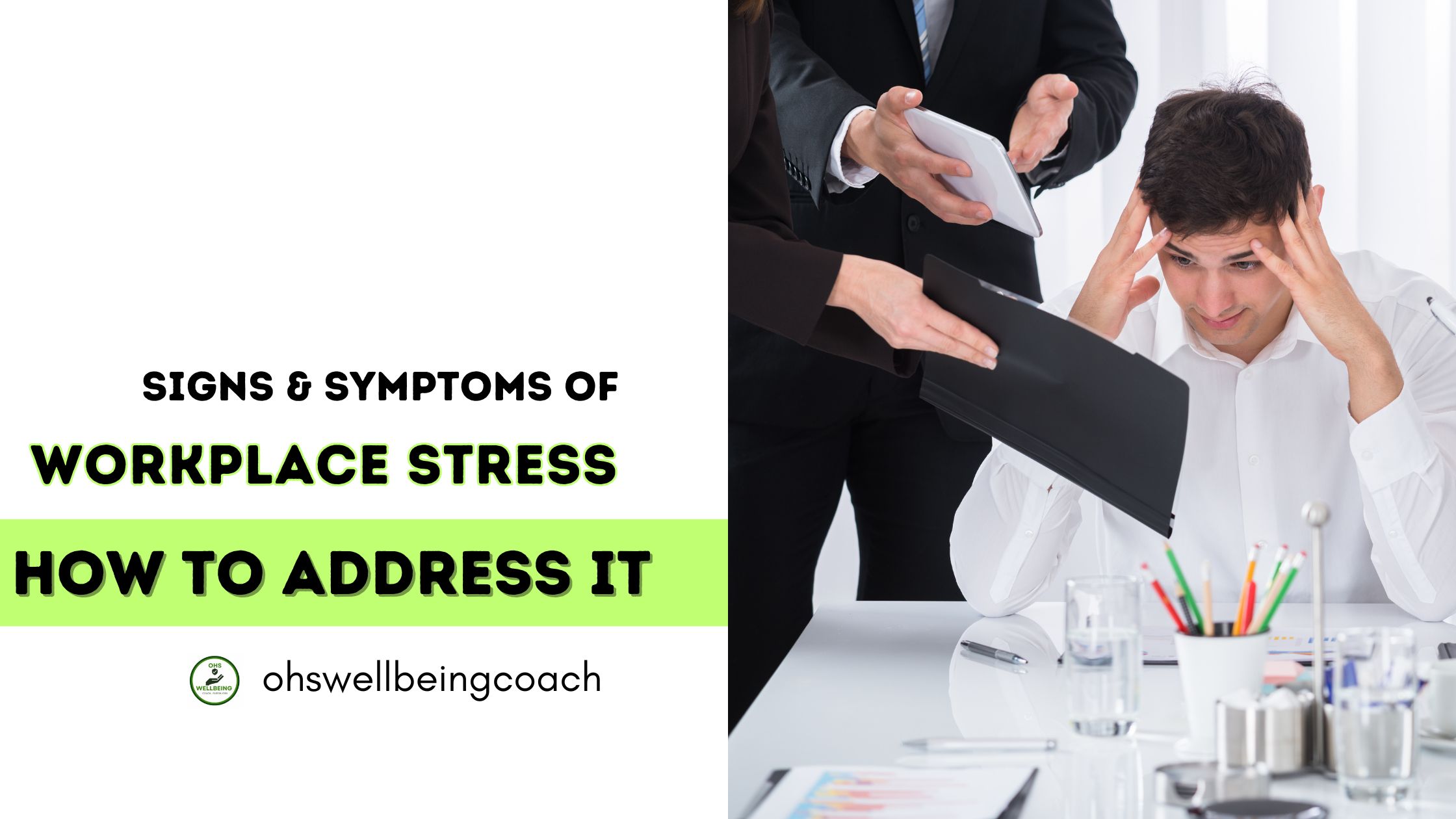
We all know & agree that having a healthy and safe environment, to work in, is crucial for employees, to bring out their best work. But, an aspect of the workplace that is essential for employees but often overlooked, is employee wellbeing!
A healthy and safe environment is not enough. A hygienic workplace filled with safety gear and precautionary policies creates a physically safe environment for an employee to work in, but what about making it mentally safe?!
Workplace stress is a growing concern that cannot be neglected.
According to a 2022 survey by McKinsey Health, a quarter of employees experienced burnout symptoms.
This epidemic of workplace stress is having a significant impact on both employees and employers.
For employees, burnout can lead to several negative consequences, including:
- Decreased productivity: A study by Gallup found that employees who are often burned out, are 66% less likely to be productive at work.
- Increased absenteeism: According to the Centers for Disease Control and Prevention (CDC), burnout is one of the leading causes of absenteeism in the United States.
- Increased healthcare costs: A study by the American Psychological Association found that burnout costs U.S. businesses $125-190 billion annually, in lost productivity and healthcare costs.
For employers, burnout can lead to:
- High turnover: A study by the Society for Human Resource Management found that 50% of employees, who are burned out are likely to leave their jobs, within the next 12 months.
- Poor customer service: Employees who are burned out are more likely to make mistakes and provide poor customer service.
- Damaged company reputation: A company with a reputation for high stress and burnout is likely to attract and retain fewer talented employees.
Signs and Symptoms of Workplace Stress :
As we understand that workplace stress is a concern for the organization, it is necessary to have an eye for the signs & symptoms to be able to help employees in the best way possible. The signs and symptoms of workplace stress can vary from person to person. However, some common symptoms include:
- Physical symptoms: Headache, fatigue, muscle tension, sleep problems, changes in appetite
- Emotional symptoms: Anxiety, irritability, depression, feeling overwhelmed, difficulty concentrating
- Behavioral symptoms: Changes in eating habits, substance abuse, social withdrawal
Here's a guide on How to Identify Burnout in Your Employees:
Burnout is a state of emotional, physical, and mental exhaustion caused by prolonged or excessive job stress. It is a serious problem that can have a significant impact on an employee's health and well-being.
Here are some of the signs of burnout to look for in your employees:
- Emotional exhaustion: This is the most common symptom of burnout. Employees who are emotionally exhausted may feel drained, empty, and hopeless. They may also have difficulty concentrating and making decisions.
- Physical exhaustion: Employees who are physically exhausted may feel tired all the time, even after getting enough sleep. They may also have headaches, muscle pain, and stomach problems.
- Mental exhaustion: Employees who are mentally exhausted may have difficulty thinking clearly and remembering things. They may also feel detached from their work and have lost interest in their job.
Once you recognise the signs and symptoms of workplace stress, you need to address them the right way! Here's how you can do it : There are several things that employers can do to address workplace stress and burnout.
Some of the most effective strategies include:
- Create a positive work environment: This includes things like providing opportunities for employees to socialize and build relationships, offering flexible work arrangements, and providing access to resources such as counseling and employee assistance programs.
- Set realistic expectations: Employees should not be expected to work long hours or meet unrealistic deadlines. Employers should also provide employees with the resources and support they need to do their jobs effectively.
- Encourage communication: Employers should create an open and supportive environment, where employees feel comfortable talking about their stress levels. This can be done through regular one-on-one meetings, team meetings, and employee surveys.
- Provide training on stress management: There are several effective stress management techniques that employees can learn. Employers can provide training on these techniques through workshops, online courses, or self-help resources.
- Promote work-life balance: Employees need time to relax and recharge outside of work. Employers can encourage work-life balance by providing employees with paid time off, offering flexible work arrangements, and discouraging employees from working long hours.
Conclusion:
With the increase in stress at the workplace, due to changes in the workplace dynamics, it becomes the responsibility of the employer to consider mental health and well-being, as a significant area to be focused on, in employees’ welfare programs. Wellbeing is as important as health and safety at the workplace and it's high time for every organization to take proactive steps to address this concern & create a better working environment that ensures the long-term success of both employees and employers.
To make that happen, you should consider creating a strong OHSW action plan for your organization. If you need expert guidance on it, book a detailed coaching call with Mr.Paresh Joshi.
With 49 years of Industry experience, Paresh Joshi is equipped to help you in this field.
Explore coaching options with our services.

